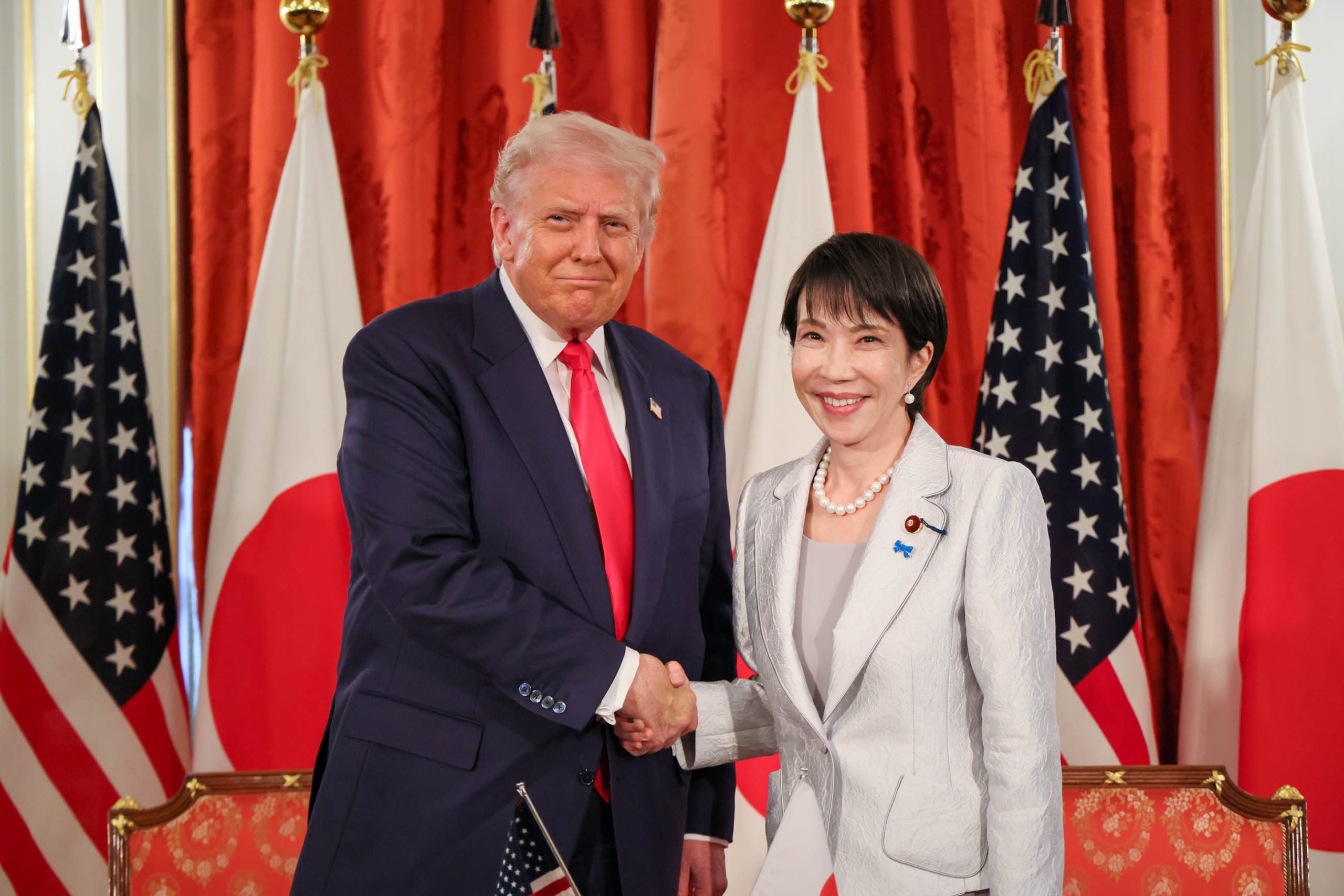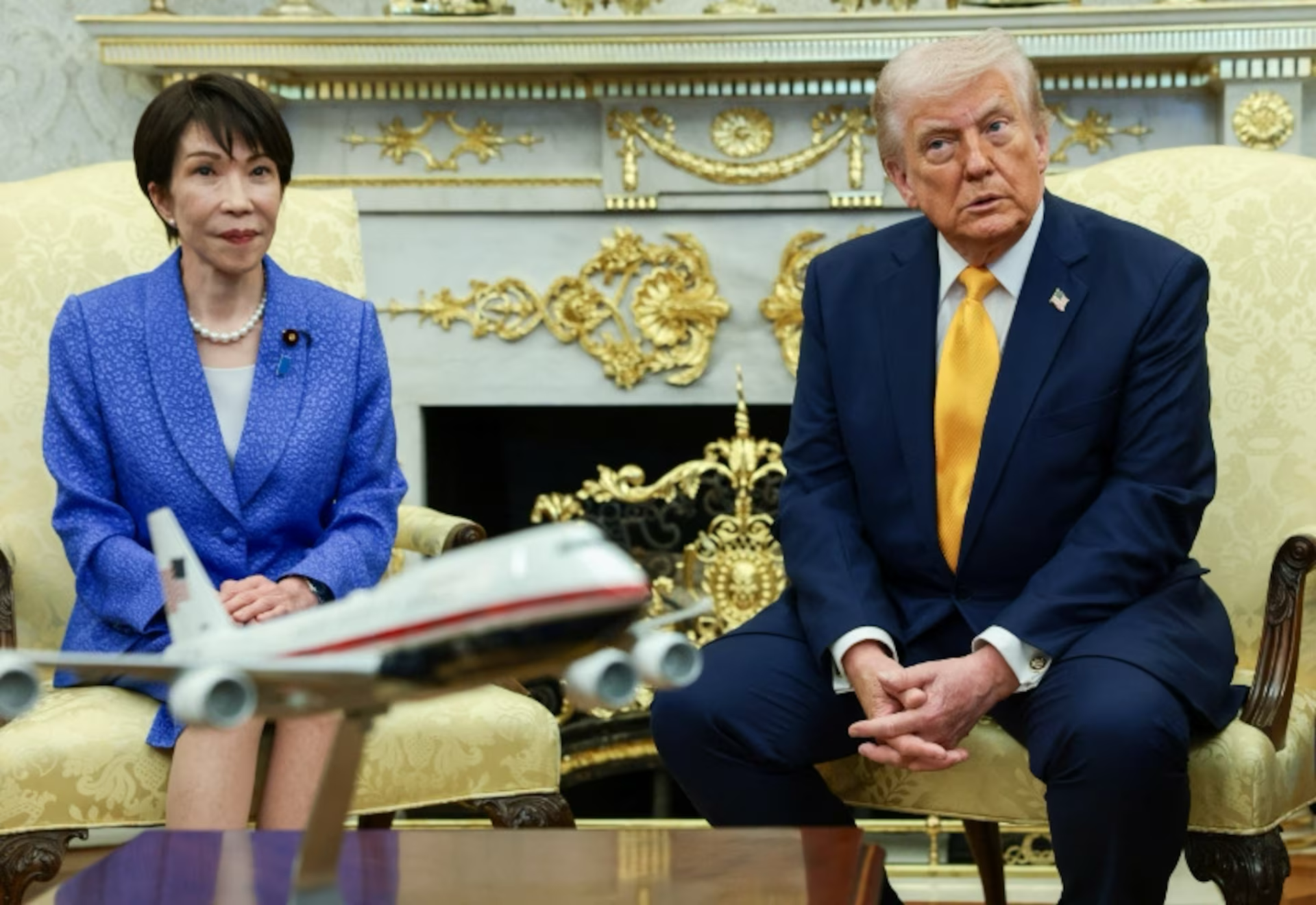
The March 19 Japan–U.S. summit can be regarded as a success in that Prime Minister Sanae Takaichi was able to demonstrate a close relationship with President Donald Trump, despite some criticism of her remarks and conduct.
According to a Yomiuri Shimbun poll conducted on March 20–22, 69% of respondents said they “approve” of the summit, with support exceeding 50% across all political affiliations—85% among ruling party supporters, 63% among opposition supporters, and 56% among independents.
The situation prior to the meeting was highly challenging. On March 14, President Trump posted on Truth Social that he “Hopefully” expected five countries—China, France, Japan, South Korea, and the United Kingdom—to dispatch warships to the Strait of Hormuz, raising the question of how Japan would respond to U.S. demands.
On March 17, he further posted that most NATO “allies” had indicated they did not wish to be involved in military operations against Iran, and declaring that NATO support was neither “necessary” nor desired. He also suggested that Japan, Australia, and South Korea were in a similar position.
However, this statement could not be taken at face value and was widely seen as making the situation even more difficult for Japan.
Against this backdrop, at the opening of the March 19 summit, Trump remarked that “we’ve had tremendous support and a relationship with Japan on everything” and that, based on recent statements, Japan was “really stepping up to the plate—unlike NATO.”
At her post-summit press conference, Takaichi similarly stated that “Through today’s summit meeting, we were able to confirm many concrete forms of cooperation that will further enhance the quality of the Alliance across a wide range of fields, including the economy, economic security, and national security.”
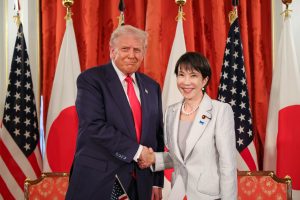
The success of the summit can be attributed to three main factors.