The first time I watched a major national election in Japan, I experienced a small but memorable culture shock.
People were shouting, “Sensei!” at the candidate.
Sensei?
In Japanese language school, I learned that *sensei* means a teacher — someone who educates or passes on knowledge.
But the person standing on the campaign truck wasn’t teaching a class. He was a politician, a representative of the public.
And that wasn’t my only confusion.
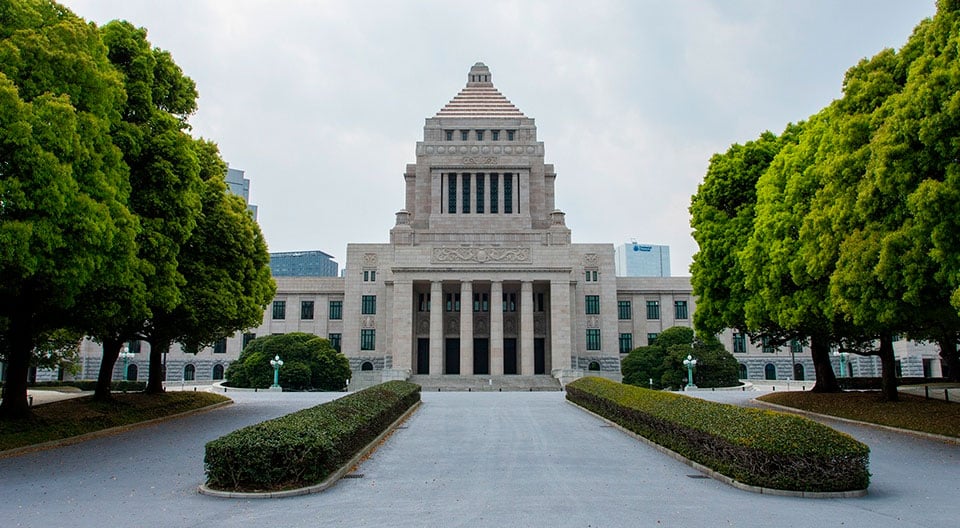
Members of Japan’s lower house are often called *daigishi*, while upper house members are simply *giin*.
Both are elected by the people, so why the different names?
Looking at Japanese politics as an outsider, these small linguistic puzzles turn out to be surprisingly fascinating.
“Daigishi” vs. “Giin”: Words That Outlived History