Ten years ago, if you stepped into the kitchens of Japanese convenience stores or late-night izakaya pubs, you were likely to hear Chinese or Korean being spoken.
Today, in many of those same workplaces, the language you hear most often is Nepali.
This is not just a passing impression — it reflects a measurable shift in Japan’s labor landscape.
Japan’s foreign workforce has reached a record 2.57 million people.
Among them, Nepali nationals are growing at an exceptional pace, increasing by more than 25 percent year over year — one of the fastest growth rates of any group.
Nowhere is this change more visible than in the restaurant industry.
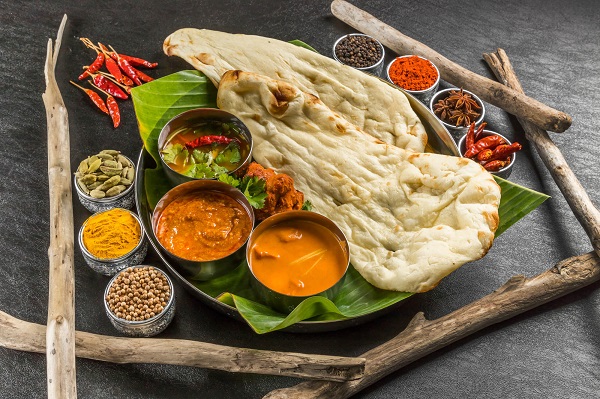
Across suburban neighborhoods and small regional cities, you will notice similar “Indian curry” restaurants with nearly identical menus and décor.

Yet behind the kitchen doors, the chefs are rarely Indian.
They are Nepali.
And this small detail reveals a much larger story about how Japan is changing — often without openly acknowledging it.
For decades, Japanese political leaders have insisted that Japan is not an immigration country.
But demographic reality tells another story.
With a rapidly aging population and declining birthrate, labor shortages have intensified.
Businesses began seeking foreign workers, while the government — careful to avoid the politically sensitive term immigration — created new visa frameworks to fill the gap.
One of the most unexpected entry points into Japanese society turned out to be something simple and familiar:
the neighborhood curry shop.